
How to Plan a Corporate Event: A Practical Guide From Start to Finish
Figure Out Why You're Doing This in the First Place
Before you touch a single venue website or menu, sit down and ask yourself the obvious question: why are we even having this event? Is it to thank the team for a rough quarter? Get face time with clients? Run a training session? Mark some milestone the company hit? The answer changes everything downstream. A client dinner and an employee appreciation party aren’t the same animal, and a training day needs a totally different room setup than a networking mixer. This is really where learning how to plan a corporate event starts — not with a venue, but with a reason.
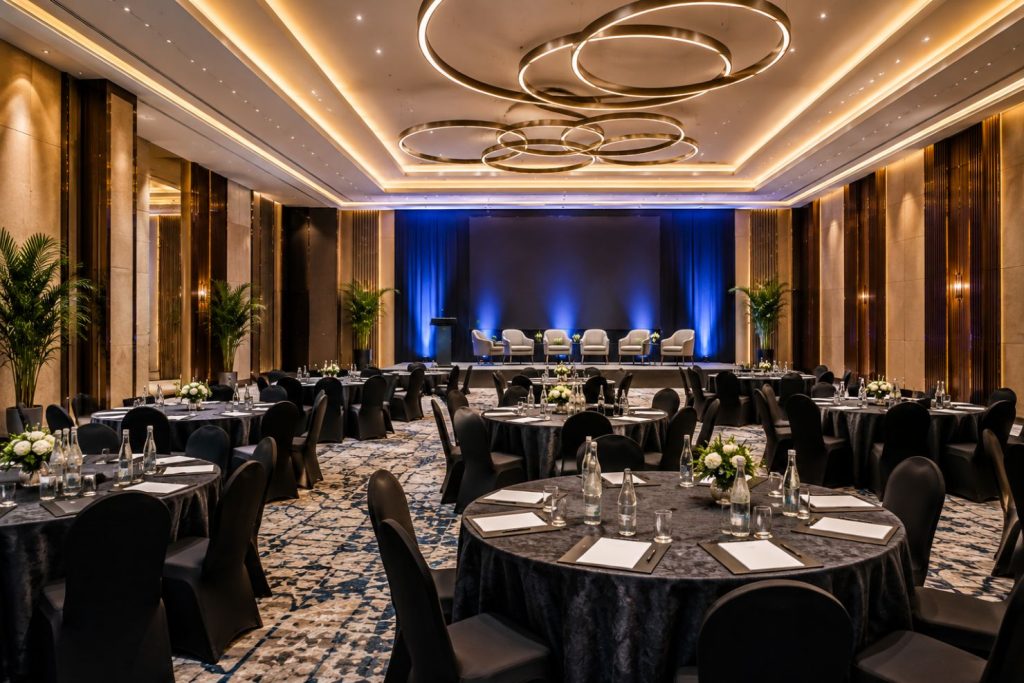
Decide What You Want Them to Walk Away Thinking
An event needs a point beyond “people showed up.” So ask what you actually want guests feeling when they head home. Appreciated? More informed about the business? Excited about a new product? Connected to people they don’t usually talk to? Once you know that, a lot of the smaller decisions start making themselves — which is honestly half the trick to how to plan a corporate event without it feeling overwhelming.
Nail Down a Budget Before You Get Ahead of Yourself
It’s shockingly easy to start planning and then realize everything costs twice what you assumed. Set a rough number early — you don’t need a fancy spreadsheet, just a ballpark of what you can spend and where it needs to go. Venue, food, decor, entertainment, AV equipment, photography — those are usually the big line items. Knowing your ceiling upfront saves you from having to unwind decisions later, and it’s one of the most practical steps in how to plan a corporate event without blowing past what you can actually afford.
Pick a Date That People Can Actually Make
There’s no such thing as a perfect date, especially with a big guest list. But check company calendars, holidays, deadline crunches, and competing events before locking anything in. If clients or outside guests are on the list, give them real lead time. Locking the date early also opens up more venue options — the good spots get booked fast. Anyone figuring out how to plan a corporate event on a tight timeline will tell you the date is usually the first domino to fall.
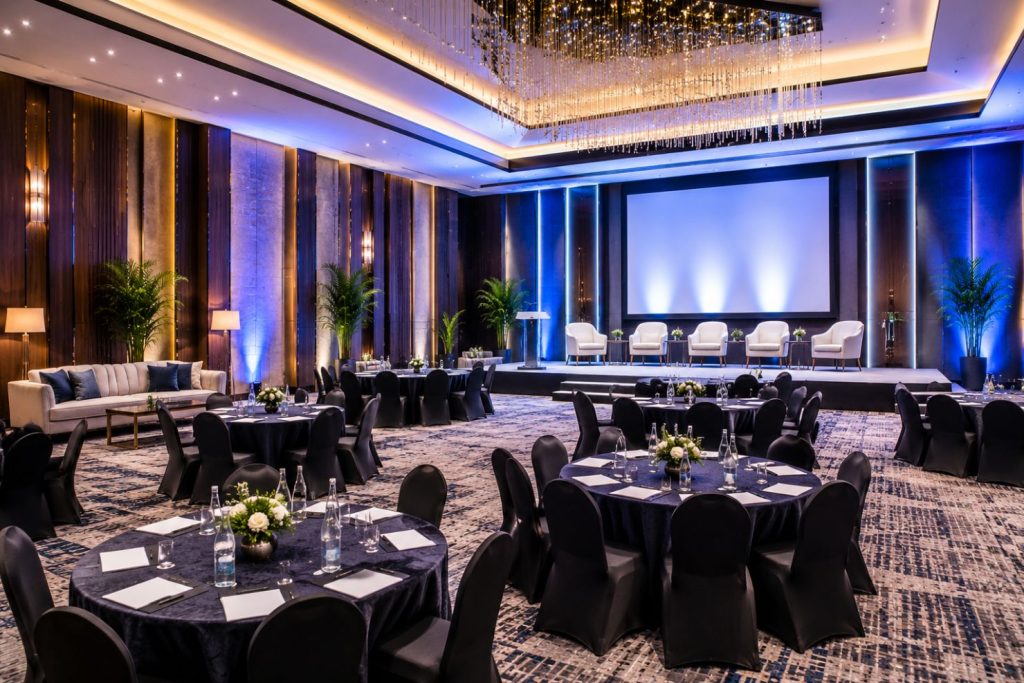
Get an Honest Headcount Estimate
You won’t have final RSVPs this early, and that’s fine — you just need a realistic number. Headcount drives venue choice, seating, food quantities, even the vibe of the room. Fifty people can feel comfortable in a space that turns claustrophobic with 150. Estimate honestly, not optimistically.
Find a Venue That Fits What You're Actually Doing
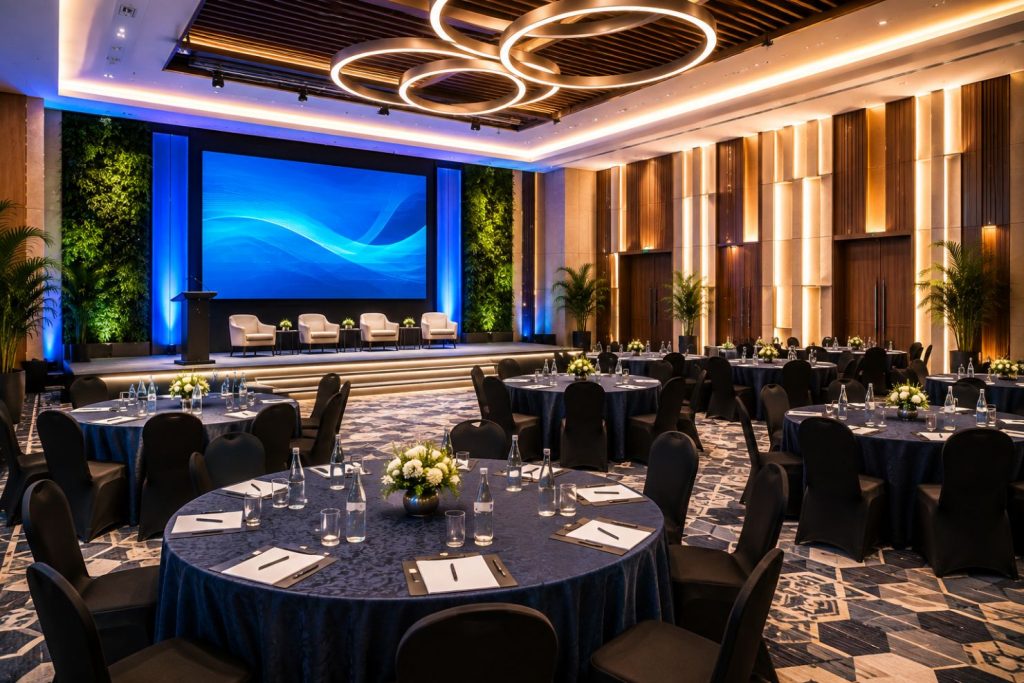
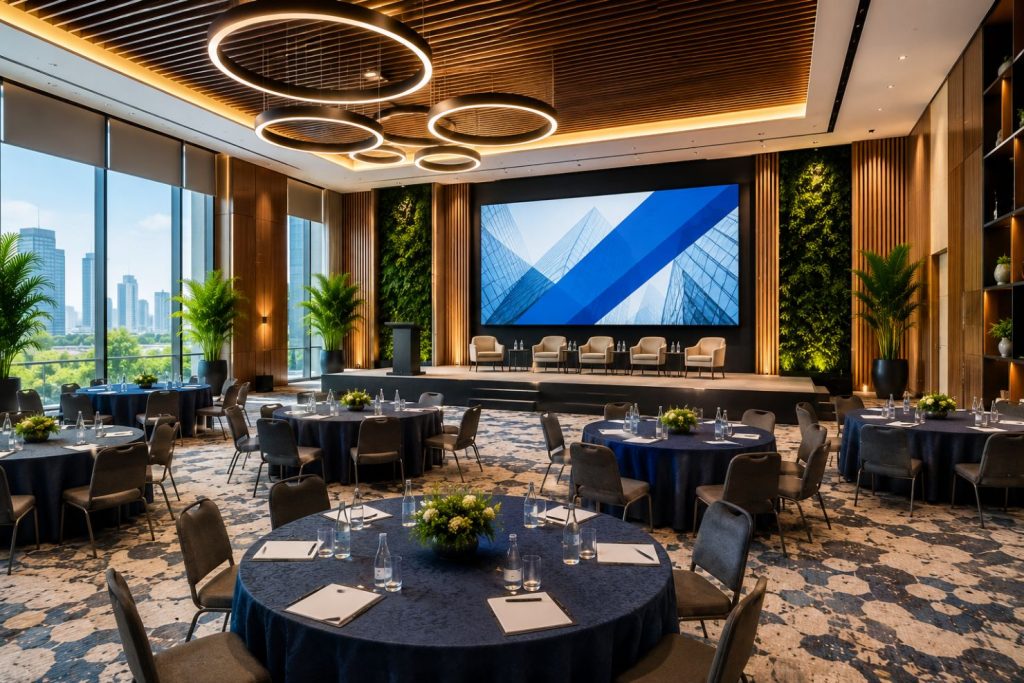
The venue isn’t just a backdrop — it shapes how people arrive, where they sit, how they move, and how the whole thing feels. A presentation-heavy event needs a completely different layout than a celebration. If you’re planning something in Sugar Land or the greater Houston area, The Milano Event Center is worth a look. Whatever you choose, weigh it against your guest count, event type, location, and whether you need dedicated space for presentations, dining, or mingling. The venue decision is where how to plan a corporate event usually gets real, since everything else tends to bend around it.
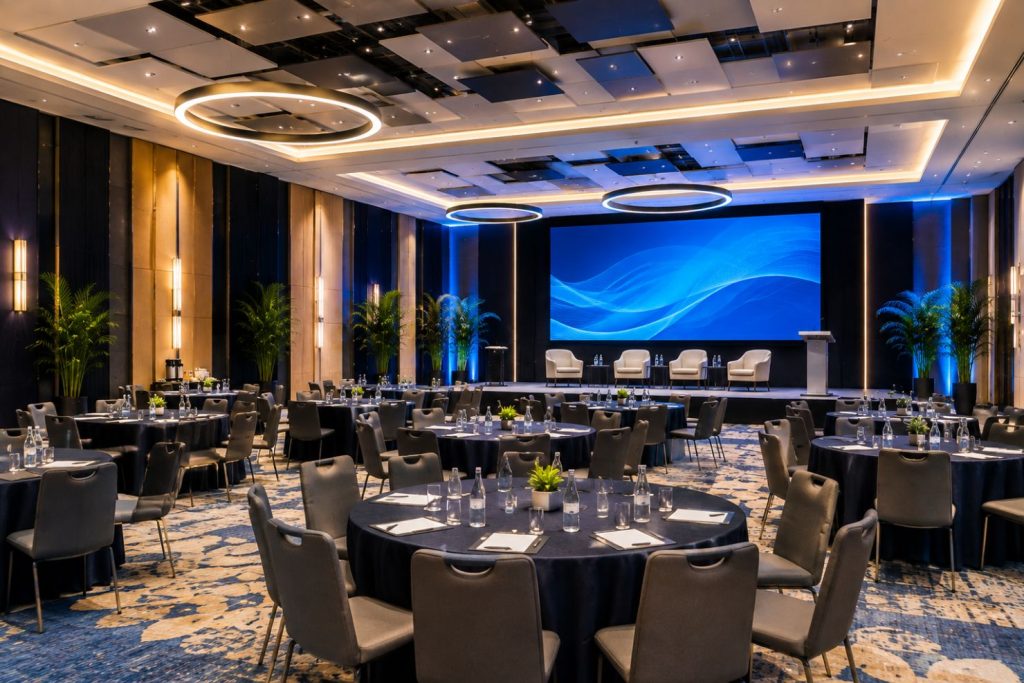
Walk Through It as a Guest, Not as the Planner
This is the step people skip because they’re buried in logistics. Picture yourself showing up. Where do you park? Do you know where to go once you’re inside? Is the schedule obvious? Is there enough seating? These small, unglamorous details usually matter more to the guest experience than any decoration budget. A well-run event just feels effortless — because someone already sweated the details so the guests don’t have to. That guest’s-eye view is a big part of how to plan a corporate event that people actually enjoy, not just attend.
Build a Schedule With Room to Breathe
Resist the urge to pack every minute. An overstuffed agenda makes the whole day feel like a sprint. People need time to arrive, grab a drink, find a seat, eat, and actually talk to each other. Presentations run long more often than not. Build in some slack so one delay doesn’t cascade into chaos.
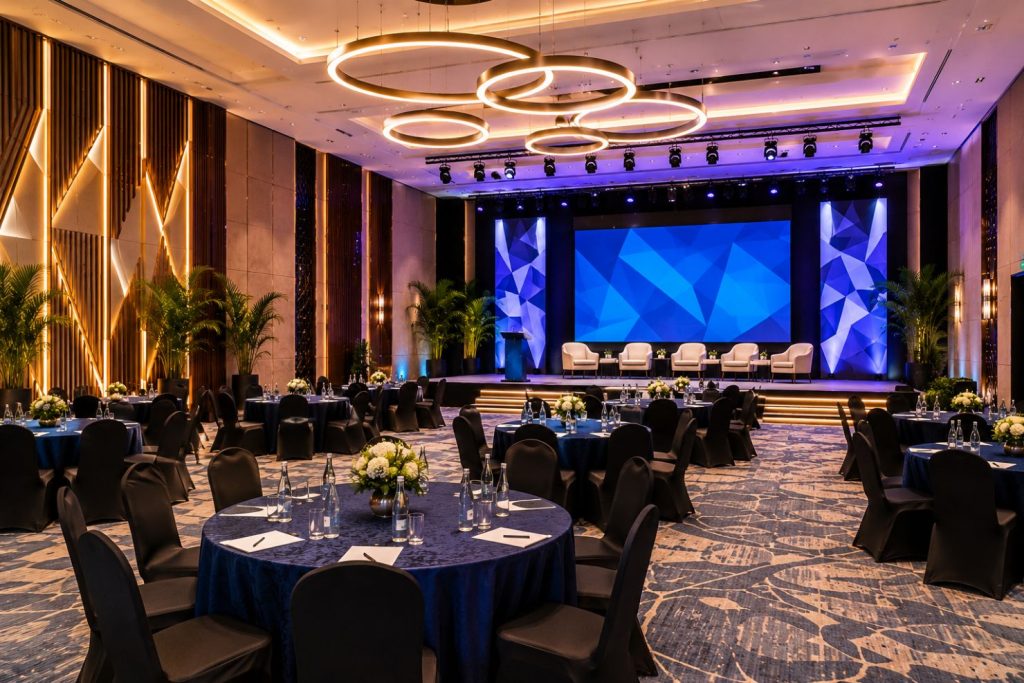
Match the Food to the Occasion
Food doesn’t need to be elaborate, but it does need to fit the moment. A morning meeting might just need coffee and something light. An evening celebration probably calls for a real meal. Think about timing, headcount, and how people will actually be eating — standing, seated, buffet-style. And ask about dietary needs if your group calls for it.
Handle the AV Stuff Early — Like, Really Early
If anyone’s presenting, playing a video, making an announcement, or speaking to the room, sort out the technical side well before the event. Make a list: microphones, screens, speakers, adapters, whatever the presentation needs. Tech problems are infinitely easier to fix the week before than five minutes before your CEO walks on stage. One of the more practical lessons in how to plan a corporate event is that the technical side rarely announces itself as a problem until it’s too late to fix quietly.
Give People an Actual Reason to Show Up
Your invite should say what the event is and why it matters — no need to overthink it. Cover the basics: date, time, location, and anything guests need to know going in. If there’s a specific reason behind the gathering, say so plainly. People show up when they understand what they’re showing up for.
Leave Room for People to Just... Talk
Some of the best moments at a corporate event happen in the gaps between the scheduled stuff. Employees connect with people outside their usual team. Clients chat informally with your staff. Real relationships often form over a meal or during a break, not during the keynote. If networking is one of your goals, make sure there’s actual unstructured time for it — don’t schedule it out of existence.
Have a Simple Plan B for the Big Things
You can’t plan for every possible hiccup, but you can plan for the predictable ones. What if the speaker’s flight is delayed? What if the projector won’t cooperate? What if twice as many people show up as RSVP’d? You don’t need a 50-page contingency binder — just a few practical fallbacks so a small hiccup doesn’t spiral into a crisis. Cvent’s event planning resources are a solid place to look if you want more general ideas on how to plan a corporate event beyond what’s covered here.
Double-Check Everything a Few Days Out
A few days before the event, run back through the essentials: venue, headcount, food order, schedule, speakers, equipment. A basic checklist catches the thing you would’ve otherwise forgotten at the worst possible moment. If The Milano is on your shortlist, their corporate events page is worth a final look while you’re finalizing plans.
Don't Try to Run the Whole Thing Solo
On the day itself, small issues will pop up — they always do. If one person is trying to handle everything, they’ll spend the whole event putting out fires instead of actually being present. Split up responsibilities ahead of time: someone greets guests, someone deals with vendors, someone keeps an eye on the clock. It doesn’t need to be formal — just make sure everyone knows their lane.
business events in Sugar Land on Eventbrite for ideas and upcoming activities in the area.
Jot Down Notes While It's Still Fresh
Once it’s over, take a few minutes to think about what worked and what you’d change. Ask for feedback if that fits the situation. Maybe the venue was great but the schedule felt rushed. Maybe the networking time was the actual highlight. These notes make your next event noticeably easier to plan — every event teaches you something for the next one. In a lot of ways, how to plan a corporate event well is a skill you build one event at a time, not something you nail on the first try.
Frequently Asked Questions
The first step is deciding why you are organizing the event. Whether it is for employees, clients, training, networking, or a company celebration, having a clear purpose will make the rest of the planning process easier.
It depends on the size and complexity of the event. Larger events usually require more time for venue selection, guest invitations, food, speakers, and other arrangements. Starting early generally gives you more flexibility.
The Milano Event Center is located in Sugar Land, Texas, making it a convenient option for businesses and guests from Sugar Land, Houston, and nearby areas.
Yes, on-site parking is available, which is one of the practical reasons The Milano Event Center tends to work well for companies bringing in guests from outside the immediate Sugar Land area.
You can call the venue at (832) 617-2655 or email [email protected] with your event date and headcount. For a faster response, the contact page has a short form the team typically replies to within a day or two.

Copyright © 2022 TheMilanoEvents - All Right Reserved.