
Food should fit the timing and tone of the event. A quick morning meeting might just need coffee and something light; an evening celebration probably needs a real meal. Think about how long people will be there and when they’ll expect to eat. And if dietary needs are relevant to your group, get that info ahead of time so you’re not scrambling at the last minute.
Corporate Event Planning Checklist: A Practical Way to Keep Your Event on Track
Start With Why You're Doing This
Before anything else, ask the obvious question: why are we having this event? Company celebration, client meeting, employee appreciation, networking night, training session, milestone — whatever it is, that answer shapes everything downstream. Once you know the purpose, the rest of the decisions get a lot easier, because your budget, guest list, venue, schedule, and food all take their cues from it. It’s worth spending a few extra minutes here before you move on to the rest of your corporate event planning checklist.
Set a Budget Before You Start Booking Things
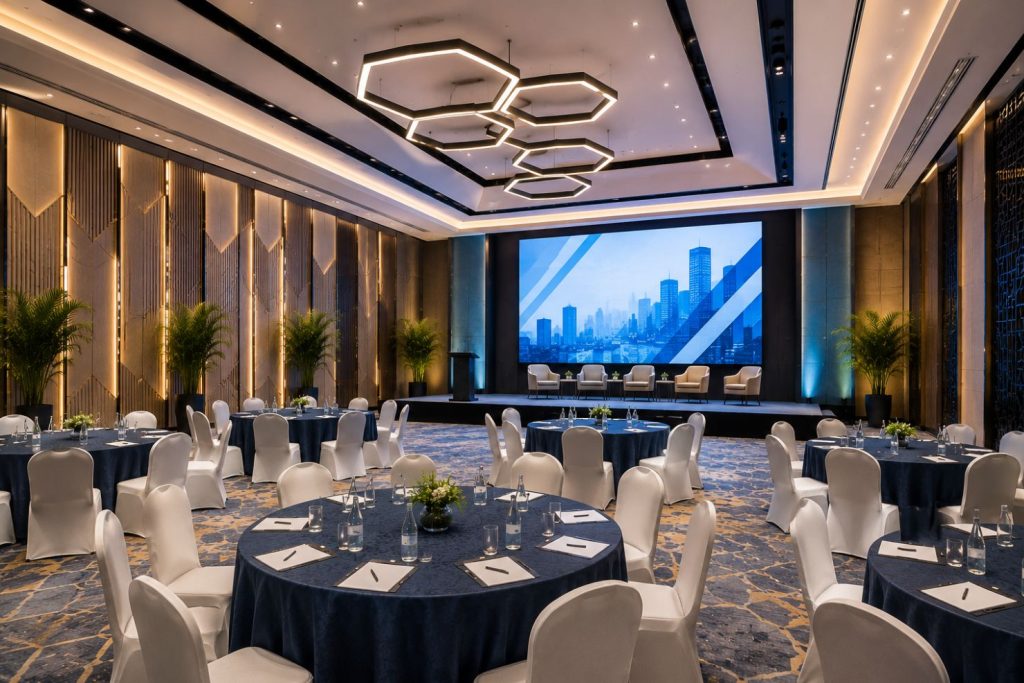
Figure out roughly what you’re comfortable spending before you start signing contracts. You don’t need exact numbers for every line item on day one — just a realistic ceiling. Venue, food, decor, entertainment, photography, presentation costs, equipment — those are the usual suspects. And leave yourself some cushion, because something unexpected always comes up as the date gets closer — that’s just part of any corporate event planning checklist.
Pick a Date That Actually Makes Sense
The date matters more than people expect. Check for company deadlines, holidays, conferences, or competing events before you lock anything in. If clients or outside guests are coming, give them real lead time — it’ll show in your attendance numbers. Once the date’s set, you can start checking venues and moving forward with the rest of your corporate event planning checklist.
Get a Real Number for Your Guest Count
You won’t have final RSVPs this early, and that’s normal — you just need an honest estimate. Guest count drives venue size, food quantities, seating, and budget. Guessing low means a cramped room; guessing high means wasted money. Take a beat and think it through rather than picking a number that just feels right — this step alone can make or break the rest of your corporate event planning checklist.
Let the Venue Match the Moment
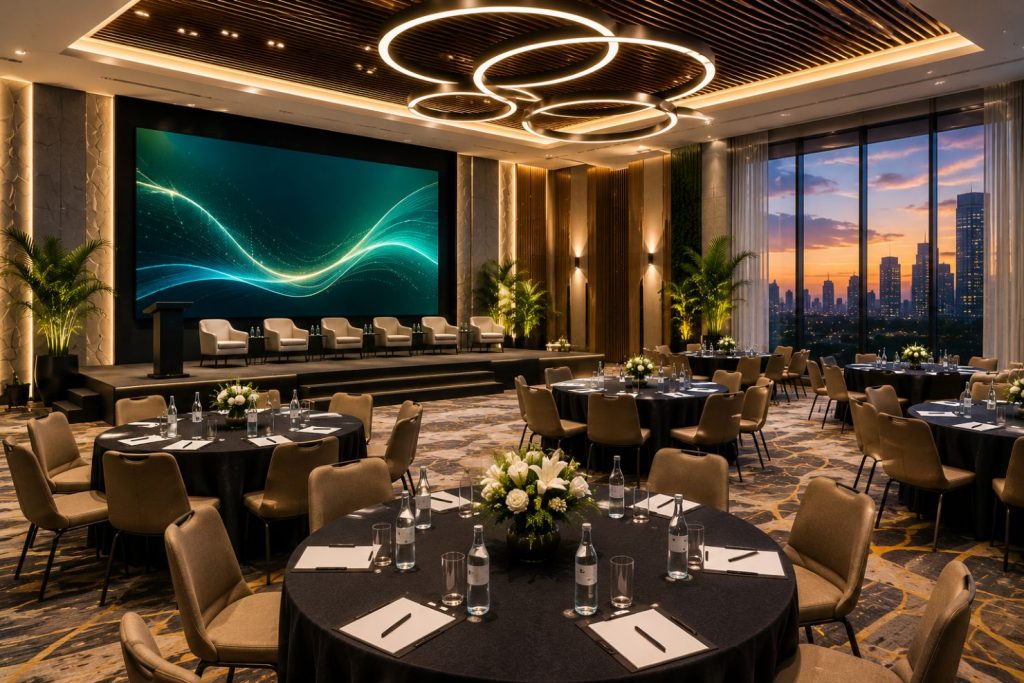
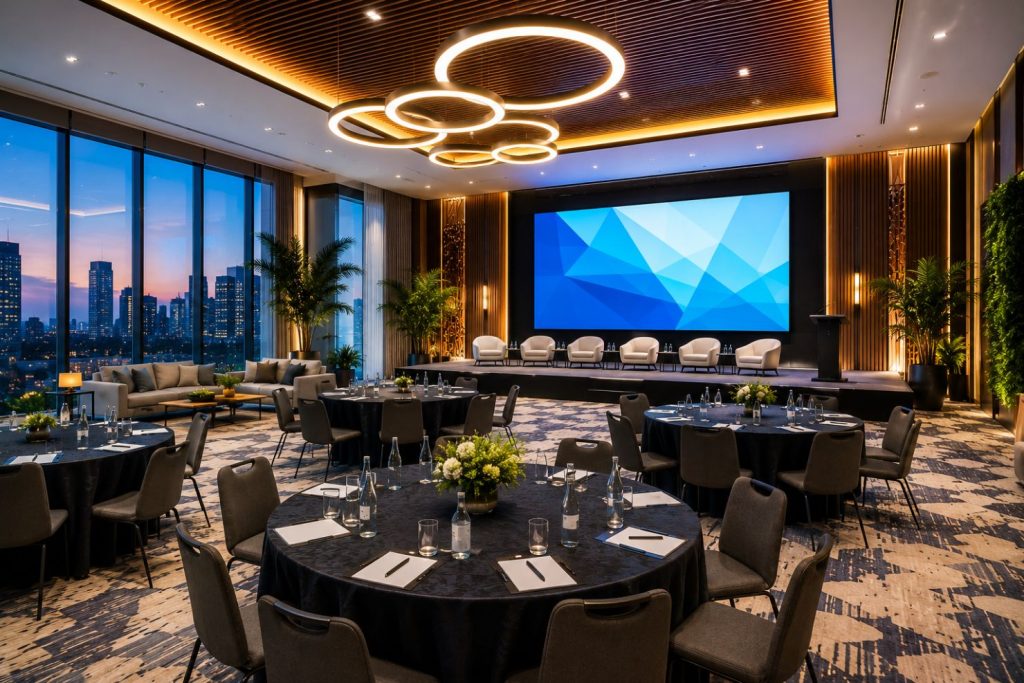
The venue isn’t just where people show up — it shapes the whole experience. Think about what’s actually happening: are people sitting through presentations, having dinner, networking, watching entertainment? If you’re hosting something in Sugar Land or the Houston area, The Milano Event Center is worth a look. Whatever you pick, it should feel right-sized and comfortable for the kind of event you’re running — the venue is usually the biggest item on any corporate event planning checklist.
Build a Schedule That Doesn't Feel Rushed
You don’t need to account for every single minute, but a loose timeline helps — when people arrive, when things kick off, when food comes out, when it wraps. Leave breathing room between the big moments, because presentations run long and guests show up late more often than not. A schedule with some slack in it holds up a lot better than one packed edge to edge.
Think About It From the Guest's Side
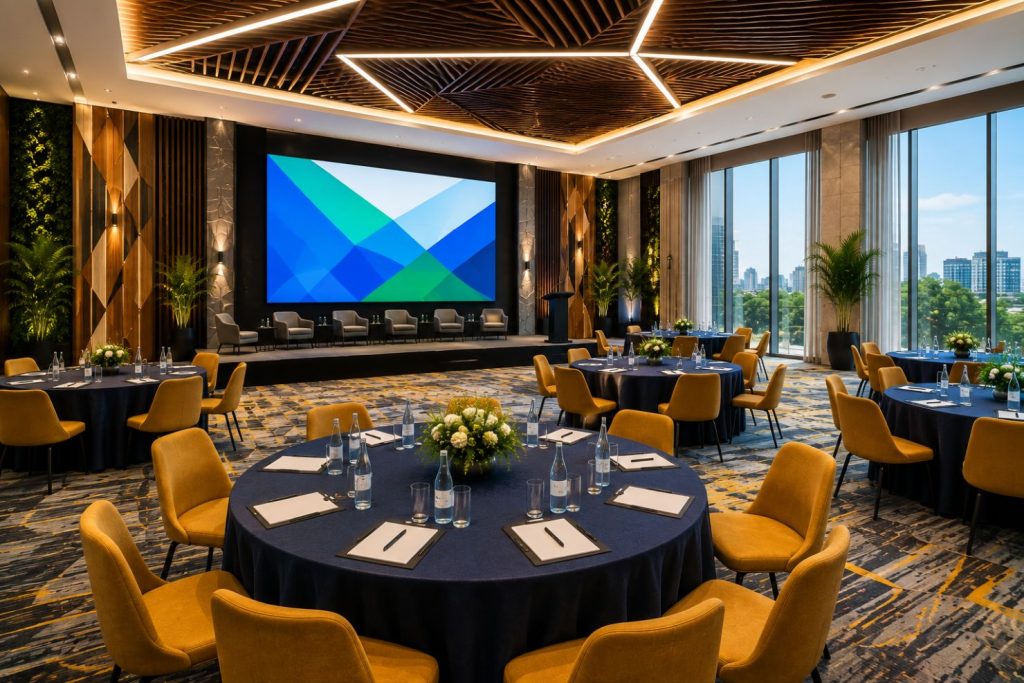
Try to picture the event as someone walking in cold. Do they know where to go? Is the venue easy to find? Is there enough seating? These feel like small details while you’re planning, but they’re often what people actually remember. A smooth event usually just means someone already thought through the stuff that trips people up — which is really the whole point of a good corporate event planning checklist.
Let the Menu Follow the Occasion
Lock Down Your AV Needs Early
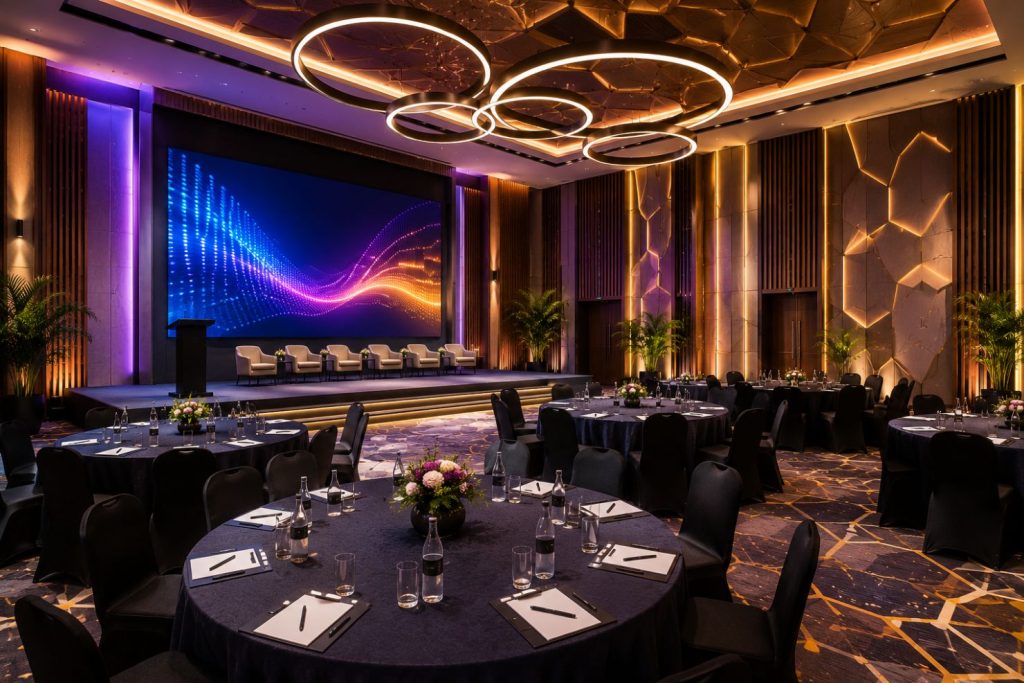
If there are speakers, videos, music, or announcements involved, sort out the technical side well before the event. Microphones, screens, projectors, speakers — make the list and confirm it early. Nothing derails a room full of waiting guests faster than a tech problem nobody caught in time, so AV always deserves its own line on the corporate event planning checklist.
Send Invitations That Actually Say Something
Your invite doesn’t need to be fancy, but it does need to cover the basics: date, time, location, and what the event’s actually about. If there’s an RSVP or anything guests need to prep for, spell it out. Clear communication upfront makes your headcount easier to predict and sets expectations before anyone walks in the door — it’s a small thing that pays off across the whole corporate event planning checklist.
Keep Your RSVP List Current
Numbers shift as the date approaches, so don’t treat your RSVP list as a one-and-done. Following up before the deadline gets you a more accurate count, which makes seating, food, and other logistics far easier to nail down. It also keeps you from over-ordering or under-preparing — both of which are avoidable headaches.
Split Up the Responsibilities
Trying to run the whole thing solo is a fast track to a stressful event day. If you’ve got a team, assign clear roles — one person on guest communication, another on vendors, someone else watching the schedule. Cvent’s event planning resources are worth a look if you want more ideas on structuring this kind of thing. Clear ownership makes it a lot easier to handle the inevitable last-minute questions.
Do One Final Review a Few Days Out
A few days before, go back through everything: venue, headcount, catering, speakers, entertainment, schedule, equipment. If vendors are involved, confirm their arrival times. This is usually when the one thing you forgot finally surfaces — and it’s a lot easier to fix now than once guests are walking in, which is exactly why a final pass through the corporate event planning checklist matters.

Have a Simple Backup Plan
Even a well-planned event throws a curveball or two. A speaker’s delayed, the headcount shifts, a presentation needs a last-second tweak. You don’t need a plan for every scenario, just something for the parts that matter most. Keep key contacts handy, and make sure someone’s clearly in charge of decisions if things go sideways.
Check the Setup Before Anyone Arrives
Get there early enough to walk the space before guests show up. Tables set right, equipment working, signage in place, everyone clear on the schedule. If you’re hosting at The Milano, their corporate event options are worth reviewing while you finalize the setup. A quick walkthrough beforehand tends to save you from a bumpy start, and it’s the last real checkpoint on the corporate event planning checklist before doors open.
business events in Sugar Land on Eventbrite for ideas and upcoming activities in the area.
Look Back at What Worked
Once it’s over, take a little time to think through what landed and what you’d change. Maybe the venue was great but the schedule felt rushed. Maybe the informal networking time turned out to be the real highlight. These notes make the next event easier to plan, since you’re not starting from zero. The Milano Events Blog has more ideas if you want to keep exploring. At the end of the day, running a good event mostly comes down to staying organized, giving yourself enough runway, and working through your corporate event planning checklist one thing at a time.
Frequently Asked Questions
Start with purpose. Before you look at venues or budgets, figure out why you're holding the event — celebration, client meeting, training, appreciation, milestone. That answer shapes every decision that follows.
For most corporate events, 2–3 months is a comfortable window. Larger events with outside guests, catering, or a sought-after venue often need 4–6 months. Smaller internal gatherings can come together in a few weeks if the basics are simple.
The Milano Event Center is located in Sugar Land, Texas, making it a convenient option for businesses and guests from Sugar Land, Houston, and nearby areas.
Yes, on-site parking is available, which is one of the practical reasons The Milano Event Center tends to work well for companies bringing in guests from outside the immediate Sugar Land area.
Match the space to what's actually happening — presentations, dinner, networking, or a mix. Consider guest count, layout, location, and whether the venue can flex if numbers shift. A walkthrough before booking helps confirm it'll actually work for your event.
You can call the venue at (832) 617-2655 or email [email protected] with your event date and headcount. For a faster response, the contact page has a short form the team typically replies to within a day or two.

Copyright © 2022 TheMilanoEvents - All Right Reserved.