
Event Planning Tips for a Flawless Celebration | The Milano Event Center
Start With a Clear Vision, Not a Pinterest Board
Before you touch a single spreadsheet, sit down and figure out what the event is actually for. Is it a celebration, a networking opportunity, or a milestone you want people to remember for years? One of the most overlooked event planning tips is that vision comes before logistics. Once you know the “why,” everything else — the venue, the décor, even the guest list — becomes easier to decide.

Set a Budget You'll Actually Stick To
Budgets have a funny way of ballooning once the excitement kicks in. A good rule most planners swear by: decide your top number, then subtract 10% right away as a buffer for the things you didn’t see coming (and something always comes up). This is one of those event planning tips that sounds obvious but gets ignored constantly, usually right before someone overspends on flowers.
It also helps to separate your budget into categories early — venue, catering, décor, entertainment, and a miscellaneous fund. Reviewing this breakdown every few weeks keeps you from realizing too late that one category quietly ate into another. Small, regular check-ins beat one big panic near the end.
Pick the Venue Before Anything Else
Your venue shapes the entire event — the guest capacity, the theme, even the time of year you can host. This is why we always tell people to lock in the venue before booking anything else. At The Milano Event Center, our layout gives hosts the flexibility to plan around three distinct ballrooms, so whether you’re picturing something grand or something more low-key, there’s a decent chance we’ve already got the space.
Understand the Type of Event You're Hosting
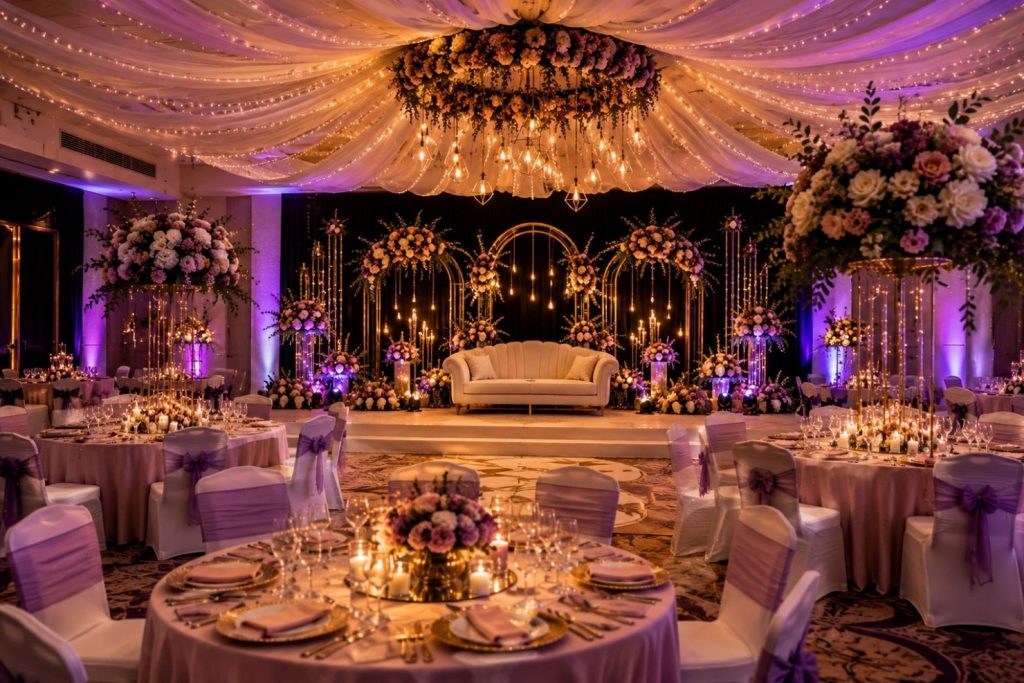
Not every event needs the same approach. A corporate event demands a different rhythm than a social event or a wedding celebration. Knowing this early changes how you approach seating, entertainment, and even the tone of your invitations. Solid event planning tips always start with matching the format to the occasion — a networking mixer and a birthday party shouldn’t be planned the same way.
Think about the pace of the event too. A corporate gathering might need structured time blocks — a welcome, a keynote, a networking hour — while a social event usually flows better with fewer fixed moments and more open space for people to mingle. Deciding this ahead of time saves a lot of on-the-spot improvising.
Build a Realistic Timeline
Give yourself more time than you think you need. Most seasoned planners recommend starting logistics at least three to six months out for mid-sized events, and up to a year for weddings. Rushed planning is where mistakes creep in — wrong headcounts, missed vendor deadlines, forgotten details. A calm timeline is honestly one of the simplest event planning tips anyone can follow, yet it’s the one people skip the most.
Get the Guest List Locked Early
Your guest count determines your catering order, your seating chart, and even which room at the venue makes sense. Don’t leave this until the last minute. If you’re unsure how many people your space can hold, check out our FAQ page — it answers most of the capacity and logistics questions hosts usually have.
Choose Catering That Matches Your Crowd
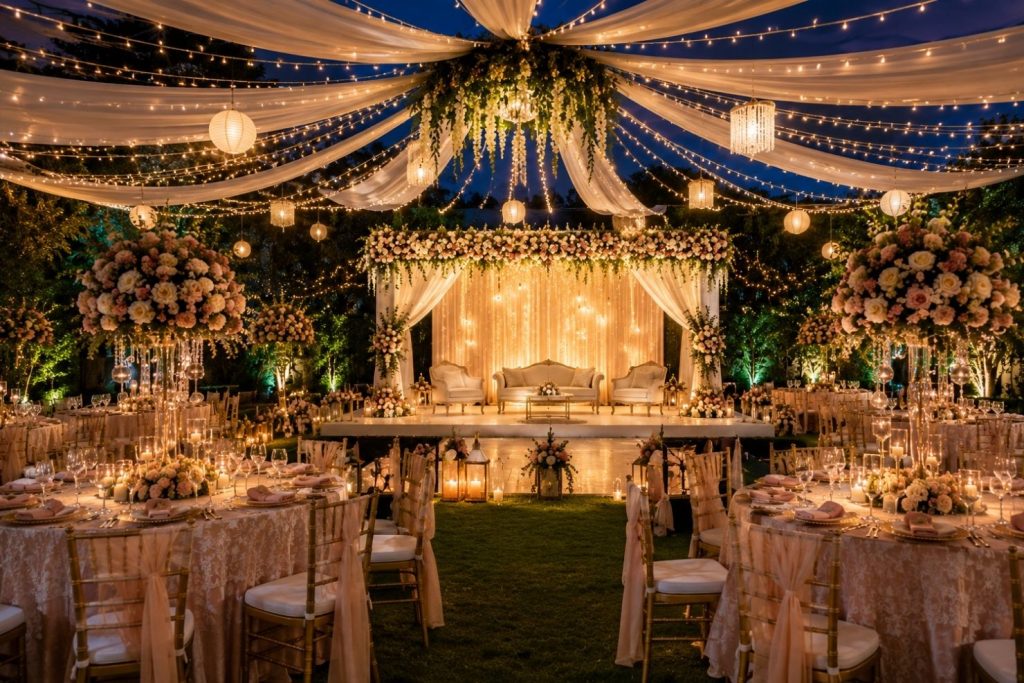
Food is one of those things people remember long after the flowers are forgotten. Talk to your caterer about dietary needs early, and don’t be afraid to ask for a tasting. Among all the event planning tips floating around, this one gets overlooked constantly — hosts assume “everyone eats everything,” and that’s rarely true anymore.
Décor Should Support the Mood, Not Compete With It
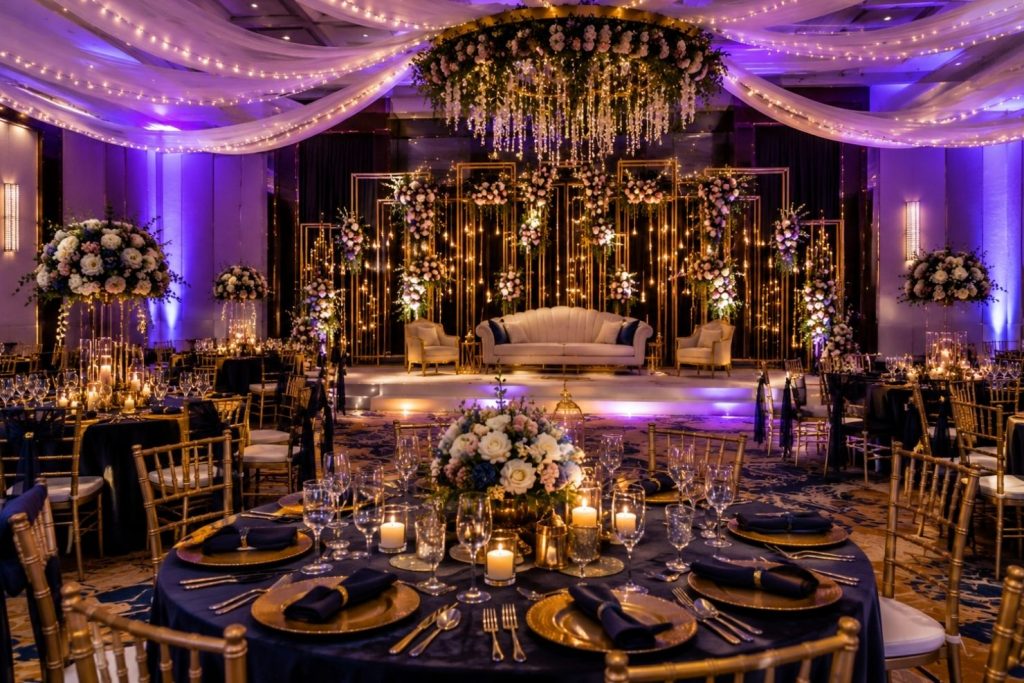
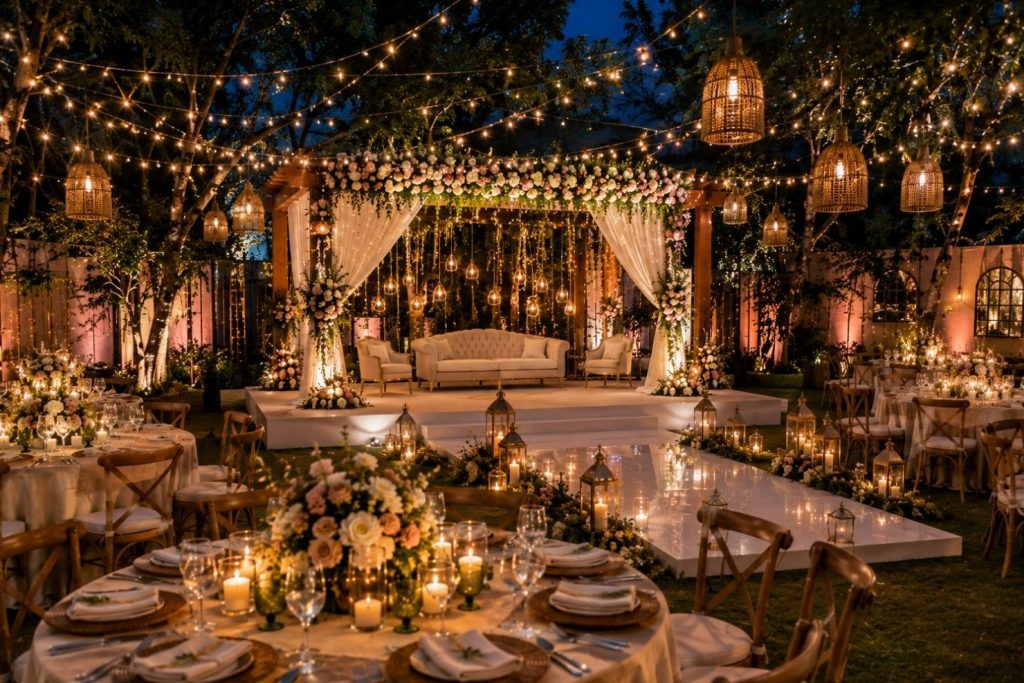
A common mistake is overdecorating a space that’s already got personality. If your venue already has strong architectural details — think exposed beams, chandeliers, or natural lighting — lean into that instead of covering it up. The Milano Event Center’s interiors, for instance, are designed with warm wood tones and soft lighting already built in, so décor becomes an accent rather than a full makeover.
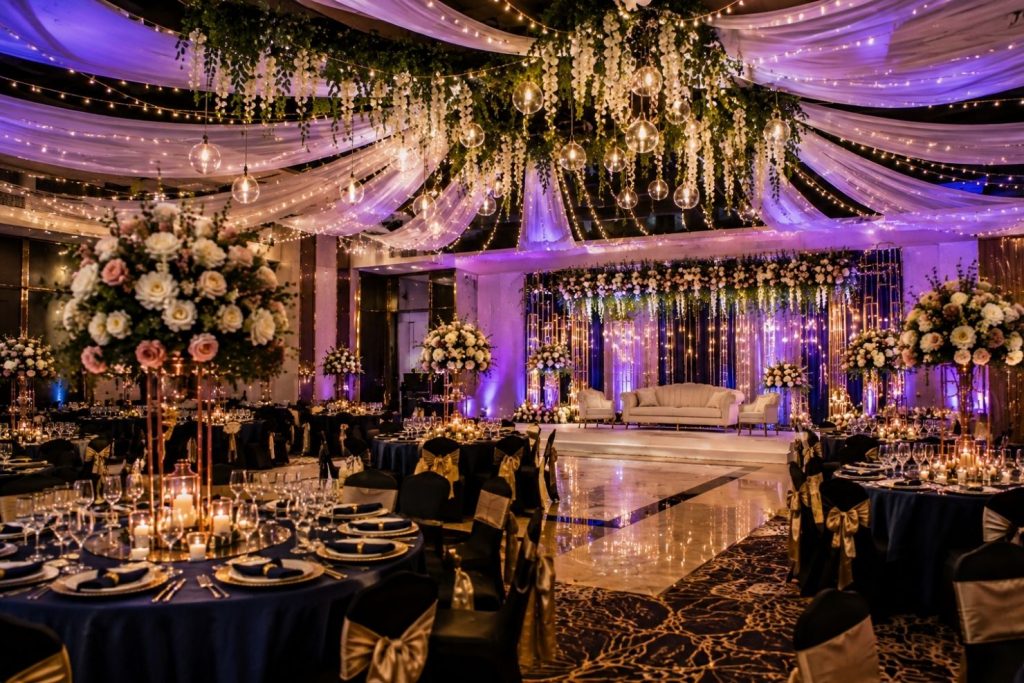
Pick two or three colors and stick with them throughout the space — table linens, florals, signage — instead of introducing a new palette for every element. Consistency reads as intentional, even on a modest décor budget.
Entertainment Sets the Energy
Whether it’s a live band, a DJ, or a simple curated playlist, entertainment shapes how long people stay and how much they enjoy themselves. This is one of those event planning tips that’s easy to underestimate — the right entertainment can turn an average event into one people talk about for months.
Coordinate Vendors Like a Project Manager
Your florist, caterer, photographer, and AV team all need to be on the same page — literally. Create a shared timeline document and share it with every vendor a week before the event. Miscommunication between vendors is one of the top reasons events go sideways, and it’s completely avoidable with a bit of upfront coordination.
It’s also worth designating backup contacts for each vendor category. If your photographer’s assistant needs to step in, or your caterer sends a different lead that day, having a name and number ready avoids unnecessary confusion right when you need calm the most.
A Quick Checklist for the Final Two Weeks
Here’s where a short checklist actually helps more than another paragraph:
- Confirm final headcount with your venue and caterer
- Reconfirm arrival times with every vendor
- Print or digitally organize your seating chart
- Do a final walkthrough of the space if possible
- Prepare an emergency kit (tape, pins, stain remover, chargers)
- Assign one point-of-contact for day-of questions
These small steps prevent the last-minute scrambling that ruins otherwise well-planned events.
Don't Skip the Walkthrough
Visiting your venue in person before the big day helps you visualize traffic flow, lighting, and seating in a way photos never fully capture. If you’re considering The Milano Event Center for your next event, we always recommend scheduling a walkthrough through our contact page so you can see the space exactly as your guests will.
Common Mistakes Worth Avoiding
A few patterns show up again and again in events that don’t go as planned: underestimating setup time, ignoring the weather forecast for outdoor spaces, forgetting to confirm parking arrangements, and not having a backup plan for technical equipment. None of these are dramatic, but together they add stress that good event planning tips are specifically designed to prevent.
Another quiet mistake is over-scheduling the day itself. Leaving no breathing room between vendor arrivals, guest check-in, and the actual program almost always causes a domino effect of small delays. Build in cushion time wherever you can.
For Corporate Hosts Specifically
If you’re organizing a business event, professionalism and efficiency matter more than flair. Our guide on choosing a corporate event venue breaks down exactly what to look for — from AV capabilities to layout flexibility. These kinds of event planning tips apply whether you’re hosting ten people or two hundred.
For Wedding Hosts Specifically
Weddings come with their own emotional weight, which makes planning trickier. If you’re in the early stages, our complete wedding venue guide is a good place to start. And if you want inspiration, browsing our photo gallery or reading about wedding celebrations at The Milano Event Center might help you picture your own day a little more clearly. For general wedding planning etiquette, resources like The Knot also offer solid, well-researched advice worth cross-checking.
Bring It All Together
At the end of the day, good event planning tips aren’t about perfection — they’re about reducing the number of things that can go wrong, and having a calm plan for the ones that still do. Whether you’re organizing a wedding, a corporate event, or a milestone celebration, a little structure goes a long way.
The Milano Event Center has spent years helping hosts turn their ideas into events people actually remember. If you’re ready to start planning, reach out through our blog for more planning resources, or get in touch directly to schedule a tour. And if you’d like a broader perspective on event management best practices, Eventbrite’s planning resources are another solid external reference worth a look.
Frequently Asked Questions
If you're planning your first event, start with three things: a clear budget, a confirmed venue, and a realistic timeline. Most beginners try to handle décor and entertainment before locking these basics in, which usually leads to backtracking later. Once your venue and budget are set, everything else falls into place a lot faster.
For a mid-sized event like a birthday party or corporate mixer, three to six months is usually enough. Weddings and large corporate conferences need more runway — closer to nine months to a year — mainly because popular venues and vendors book up early. If you're eyeing a specific date at The Milano Event Center, it's worth reaching out through our contact page as soon as you have a rough date in mind.
The Milano Event Center is located in Sugar Land, Texas, making it a convenient option for businesses and guests from Sugar Land, Houston, and nearby areas.
Yes, on-site parking is available, which is one of the practical reasons The Milano Event Center tends to work well for companies bringing in guests from outside the immediate Sugar Land area.
Match the space to what's actually happening — presentations, dinner, networking, or a mix. Consider guest count, layout, location, and whether the venue can flex if numbers shift. A walkthrough before booking helps confirm it'll actually work for your event.
You can call the venue at (832) 617-2655 or email [email protected] with your event date and headcount. For a faster response, the contact page has a short form the team typically replies to within a day or two.

Copyright © 2022 TheMilanoEvents - All Right Reserved.